How to Prevent Plate Cloning: Practical Steps for UK Drivers
@mypreventplatecloningdigest
November 6, 2026 · 7 min read
Number plate cloning is a form of vehicle identity theft that has become more common in recent years. It happens when a criminal copies the registration mark from a legitimate vehicle and fits it to an identical model of the same colour. The cloned car can then be used to commit traffic violations, fuel theft, or even serious crimes without the owner knowing. By the time the genuine owner receives a penalty charge notice or a letter from the police, the damage is done. Understanding how to prevent plate cloning is therefore essential for anyone who wants to avoid the stress, cost, and legal hassle of proving their innocence.
This article explains what plate cloning involves, how criminals obtain your registration details, and what practical measures you can take. It also covers the role of vehicle registration verification networks and how services like the one offered by Protect-A-Plate fit into a broader strategy for protecting your identity on the road.
How Plate Cloning Happens
Cloning starts with observation. A thief spots a vehicle that matches the car they want to clone, often in a car park, on a driveway, or at a roadside. They record the number plate, sometimes by taking a photo or simply writing it down. If the vehicle is the same make, model, and colour, the cloned plate will pass casual checks. More sophisticated criminals may also target vans, trucks, or motorcycles if they need a specific vehicle type for their activities.
Once the plate is duplicated, the cloned vehicle is driven with impunity. The genuine owner may not realise anything is wrong until a penalty notice arrives. By then, the thief has moved on, and the burden of proof falls on the victim. This is why proactive prevention matters more than reactive resolution.
Why Standard Precautions Are Not Enough
Many drivers assume that keeping their number plate visible and legal is enough. But that is exactly what makes cloning easy. A plate that is clearly readable from a distance is a plate that can be copied. Some owners try to obscure their plates with stickers or covers, but this is illegal and can lead to fines. Others rely on anti-theft screws, which prevent plate theft but do nothing to stop someone from simply copying the registration mark by eye.

The real vulnerability is not the physical plate itself but the exposure of your vehicle registration to anyone who looks. Once the number is known, cloning can happen anywhere. This is why the concept of a verification network has gained traction. Instead of trying to hide your plate, you make it possible for authorities and enforcement agencies to check whether the vehicle displaying it is the genuine one.
How Verification Networks Help Prevent Plate Cloning
A vehicle registration verification network acts as a central database that links a number plate to its legitimate owner and vehicle details. When a police officer or ANPR camera reads a plate, the system can flag whether that plate is registered with a protective service. If the plate is cloned, the genuine owner can receive a real-time alert, and law enforcement can be alerted to the discrepancy.
This approach shifts the dynamic. Instead of relying on the driver to spot a problem after the fact, the network provides a layer of validation that makes cloning less attractive. The key is that the service must be widely adopted and trusted by enforcement bodies. The UK has several such networks, and Protect-A-Plate is one example of a service that aims to prevent plate cloning protect-a-plate by offering real-time alerts and secure identity verification.
Practical Steps You Can Take
While verification networks offer a robust solution, there are also day-to-day habits that reduce your risk. Here are some practical measures:
- Park in well-lit, visible areas where a thief cannot observe your vehicle for long without being noticed.
- If you have a garage, use it. A car on a driveway is far more exposed than one stored out of sight.
- Check your post and email for any unexpected penalty notices. The sooner you catch a cloned plate, the easier it is to resolve.
- Keep records of your vehicle's condition, mileage, and any distinctive features that could help prove it is yours in a dispute.
These steps are not foolproof, but they create barriers. A thief who has to work harder to observe your plate is more likely to move on to an easier target.
The Role of ANPR and Automatic Checks
Automatic Number Plate Recognition (ANPR) cameras are widely used by police and traffic enforcement. They read plates and cross-reference them against databases. If your plate has been cloned, the ANPR system will see the same registration on two different vehicles. This creates a conflict that can trigger an alert. However, the system only works if there is a reliable way to determine which vehicle is the genuine one.

Services that offer verification tags or digital certificates help resolve this. When a plate is registered with such a service, the ANPR system can check a secure token associated with that registration. If the token is missing or invalid, the vehicle can be flagged for inspection. This is where the idea of a secure identity protection service becomes valuable. It is not about hiding your plate but about making your vehicle verifiable in the eyes of the system.
What to Do If You Suspect Cloning
If you receive a penalty notice for a location you never visited, or if you are stopped by police for an offence you did not commit, act quickly. Contact the issuing authority and explain that you believe your plate has been cloned. Provide evidence such as photographs of your vehicle, proof of your whereabouts, and any maintenance records. Report the matter to the police and obtain a crime reference number. Then contact the DVLA to report the cloning.
If you are already registered with a verification service, notify them immediately. They can place a flag on your registration and alert enforcement networks. The faster you act, the less time the clone has to accumulate further penalties. This is another reason to consider joining a network that helps prevent plate cloning protect-a-plate, because early detection can save weeks of dispute.
Limitations and Trade-Offs
No system is perfect. A cloned plate that is used only for low-level offences may not trigger an alert for weeks. Some criminals use cloned plates on vehicles that are rarely driven or that are stored in secure compounds. Verification networks depend on the cooperation of multiple agencies, and not all police forces have real-time access to every database. There is also a cost to register with some services, though many drivers consider it a small price for peace of mind.
Another limitation is that verification only works if the system is checked. If a traffic warden writes a ticket by hand and never runs the plate through a database, the clone can slip through. Technology helps, but human processes still matter. Drivers should not assume that registration alone makes them immune.
A Balanced Approach
The most effective strategy combines awareness, practical habits, and the use of a trusted verification network. Relying solely on one method leaves gaps. For example, a driver who parks carefully but has no verification service is still vulnerable if their plate is observed in a supermarket car park. Conversely, a driver who registers with a network but leaves their vehicle in dark, unmonitored areas every night is giving a thief ample opportunity to copy the plate.
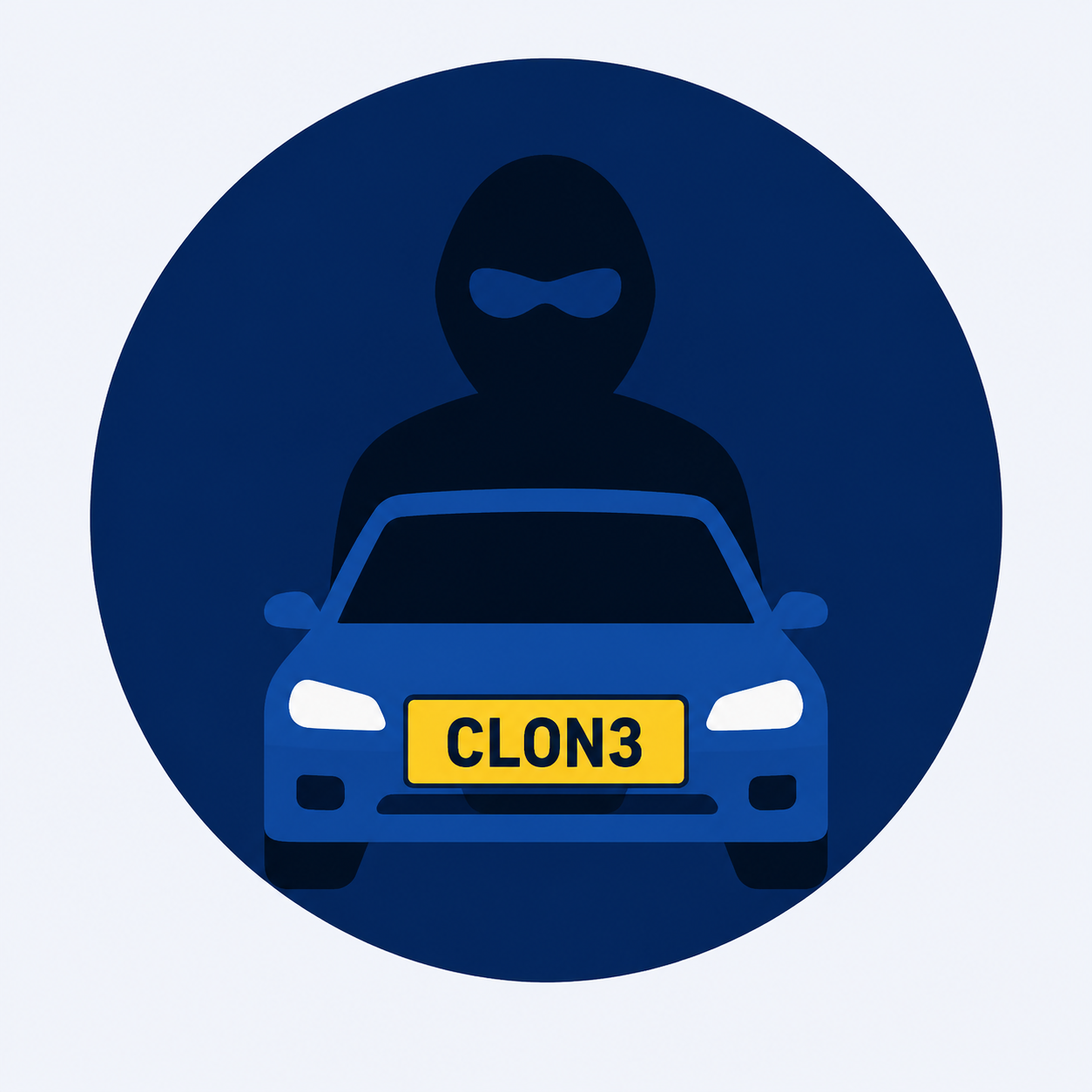
Balance means doing both: reducing your exposure and ensuring that your vehicle can be authenticated when needed. That is the logic behind services like Protect-A-Plate, which aim to prevent plate cloning protect-a-plate through a combination of real-time alerts and secure identity protection. It is not about being paranoid but about being prepared.
Final Thoughts
Plate cloning is a crime of opportunity. The easier you make it, the more likely you are to become a victim. By understanding how cloning works and taking sensible precautions, you can significantly reduce your risk. Verification networks add a powerful layer that targets the root of the problem: the inability to tell a genuine vehicle from a fake. As enforcement agencies become more connected, these networks will only grow in importance. For now, the best defence is a combination of vigilance, common sense, and a service that puts your vehicle's identity on a verifiable record.
 Twitter
 Facebook
 Instagram